Nathalia Filgueiras, 20-Year-Old Co-Pilot, Remembered for Her Remarkable Aviation Journey
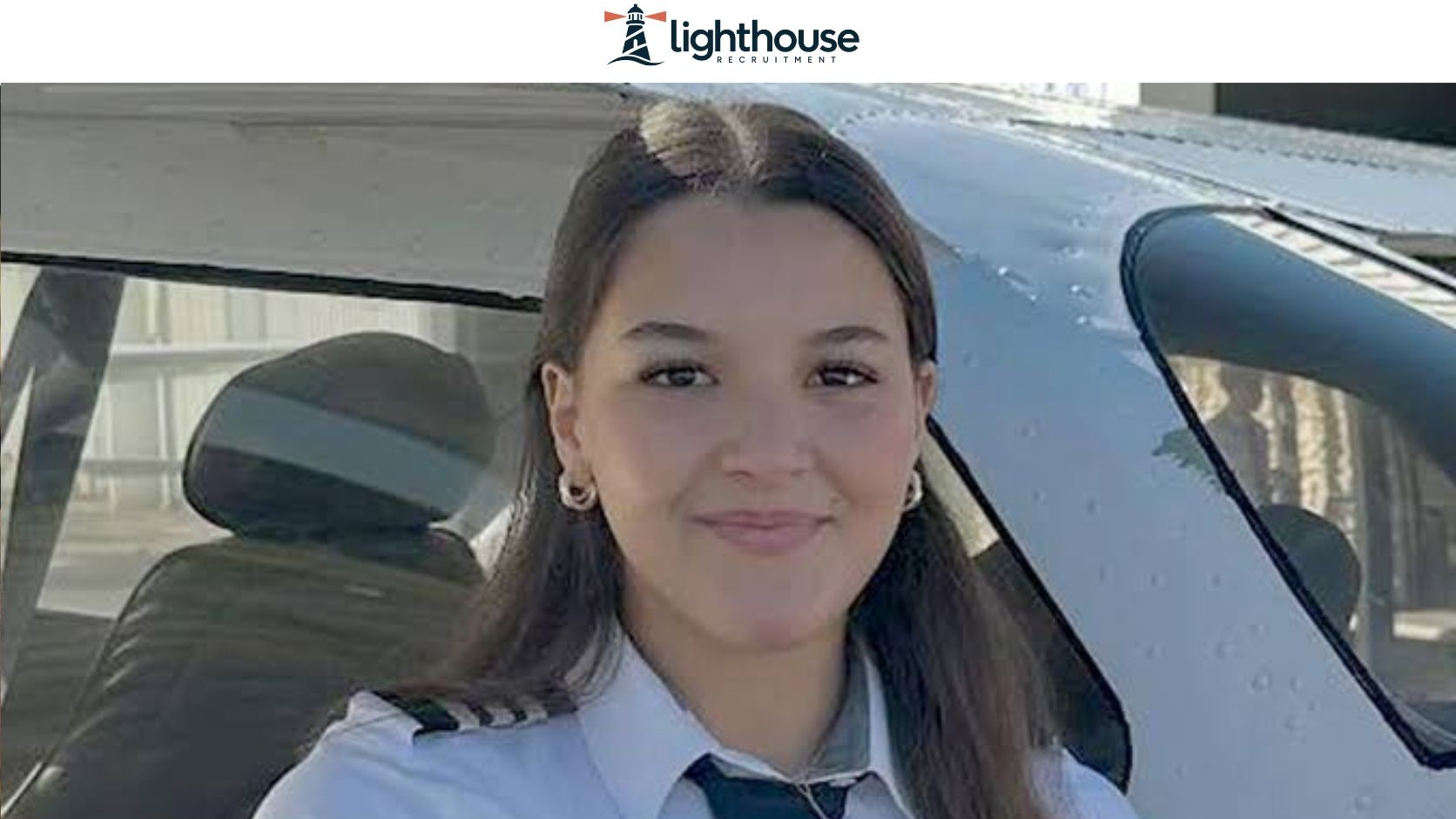
Nathalia Gadelha Filgueiras, a 20-year-old commercial pilot who served as co-pilot aboard the Learjet 60 that crashed in Palm Beach County, Florida, has drawn widespread attention for her remarkable achievements in aviation. The young pilot was among nine people killed when the private aircraft suddenly lost altitude and crashed near Greenacres. Her family confirmed her identity following the accident, while details of her early flying career and final communications with air traffic controllers have highlighted her dedication to becoming a professional aviator.
Filgueiras had already accumulated approximately 1,300 flight hours and earned several professional aviation qualifications despite her young age. She obtained her private pilot’s license while attending high school and had been working professionally for nine months before the tragic flight. Her story has particularly resonated with aviation enthusiasts because of the determination she demonstrated from childhood.
Who Was Nathalia Gadelha Filgueiras?
Nathalia Gadelha Filgueiras was a young American commercial pilot of Brazilian family background who grew up in Florida.
She developed an interest in aviation during childhood, spending time watching airplanes with her father. Those early experiences gradually developed into a serious ambition to become a professional pilot.
Unlike many teenagers who were still considering their future careers, Filgueiras had already started working toward obtaining aviation qualifications.
Her enthusiasm for flying became an important part of her identity, eventually leading her to pursue advanced training and commercial aviation opportunities.
At just 20 years old, she had established herself as a qualified pilot with experience operating aircraft and communicating in demanding flight environments.
How Did She Become a Pilot So Young?
Filgueiras began her aviation journey while studying at West Boca Raton Community High School in Florida.
She earned her private pilot’s license at the age of 17, an achievement that allowed her to operate an aircraft before she had obtained a driver’s license.
This unusual milestone reflected her commitment to aviation and the amount of time she invested in flight training.
She continued developing her skills through American Flyers, a flight training organization that provides instruction for aspiring professional pilots.
Her training included classroom education, practical flying experience and examinations designed to assess technical knowledge and operational abilities.
By the time she completed her training, Filgueiras had gained qualifications that positioned her to pursue commercial flying professionally.
What Were Her Aviation Qualifications?
Despite being only 20, Filgueiras had obtained several important aviation credentials.
She held a commercial pilot certificate, multi-engine and instrument ratings, and certified flight instructor qualifications, including authorization to teach instrument flying.
These credentials demonstrated that she had progressed beyond basic private flying and completed training in more advanced aircraft operations.
Her approximately 1,300 accumulated flight hours were another significant achievement for someone at the beginning of her professional career.
Flight experience is particularly important in aviation because pilots must develop practical judgment, situational awareness and familiarity with changing weather conditions.
Filgueiras had also qualified to serve as second-in-command aboard the Learjet 60, the aircraft involved in the Florida accident.
Where Did Nathalia Filgueiras Work?
Before the accident, Filgueiras was reportedly employed by Upper Jets, a private charter aviation company based in Fort Lauderdale, Florida.
She had been working as a commercial pilot for approximately nine months, gaining professional experience after completing her aviation training.
Her responsibilities as a co-pilot included assisting the captain with aircraft operations, monitoring flight conditions and maintaining communication with air traffic control.
On the Learjet 60 flight, she served as second-in-command alongside Captain Jeff Gregory, 55.
Although the captain held overall command responsibility, the co-pilot remained an essential member of the flight crew.
Her role required technical preparation, communication skills and the ability to respond appropriately to changing circumstances.
What Happened During the Florida Plane Crash?
The accident occurred on November 1, 2026, when the Learjet 60 was traveling from Austin, Texas, toward North Eleuthera in the Bahamas.
Among the passengers was technology entrepreneur Adam Robinson, who was traveling with his wife, two young children and several companions for a birthday celebration.
The aircraft was reportedly cruising at approximately 35,000 feet when the crew encountered precipitation, turbulence and icing conditions.
Filgueiras communicated with Miami air traffic controllers about the weather and requested permission to climb to 37,000 feet.
The aircraft subsequently entered a rapid descent before crashing near Military Trail in Greenacres, Palm Beach County.
All seven passengers and both crew members were killed in the accident.
What Did She Say During the Final Flight?
One of the most widely discussed aspects of the tragedy involves the recorded air traffic control communications.
According to reports based on archived transmissions, Filgueiras informed controllers that the aircraft was experiencing moderate turbulence and light clear icing.
The crew was reportedly flying in extremely cold conditions, with temperatures around minus 47 degrees Celsius.
She requested a higher altitude, apparently seeking more favorable conditions for the flight.
Shortly afterward, the aircraft experienced an emergency involving a rapid descent.
During the final radio exchange, Filgueiras reportedly issued a mayday call and warned that the aircraft was experiencing an overspeed condition.
Reports indicated that the jet was descending at an exceptionally high rate, approaching 20,000 feet per minute.
The transmissions ended before the aircraft struck the ground.
These communications have become an important part of public reporting about the accident, although investigators must examine them alongside technical evidence before determining what happened.
What Is the NTSB Investigating?
The National Transportation Safety Board and Federal Aviation Administration are examining the circumstances surrounding the crash.
Investigators are reviewing available flight information, weather reports, communications, aircraft records and evidence recovered from the accident scene.
One major area of attention concerns the aircraft’s sudden descent after the crew reported turbulence and icing.
Authorities are also examining reports suggesting that the aircraft may have experienced structural damage before impact.
No official determination has established that Filgueiras, the captain or any specific mechanical or weather-related issue caused the accident.
The investigation will need to establish the sequence of events before any conclusions can be reached about the aircraft’s loss of control.
Family and Aviation Community Remember Her
Filgueiras’ family confirmed her identity after the accident, bringing attention to the life and ambitions of a young woman who had devoted much of her teenage years to aviation.
Her achievements have resonated with people familiar with the demanding training required to become a professional pilot.
Earning a private pilot’s license at 17, completing advanced qualifications and accumulating approximately 1,300 flight hours by 20 represented considerable progress early in her career.
Her reported actions during the emergency have also drawn attention, particularly her continued communication with air traffic controllers as the situation deteriorated.
For those following her story, Filgueiras is remembered not simply as a crew member involved in a tragic accident, but as a determined young aviator who pursued her childhood ambition with unusual dedication.
Her aviation journey, although cut tragically short, reflects years of training, persistence and enthusiasm for flying. As investigators continue examining the Florida crash, her accomplishments remain an important part of the story of the nine people aboard the aircraft.